Read it through
Check the full sequence, serving size, ingredients, and equipment first.
Small techniques. Better rhythms. More pleasure in the everyday kitchen.
Cooking well doesn't have to mean cooking elaborately. It begins with a prepared board, an appropriate pan, a little attention to heat, and the confidence to adapt each dish to your own table.
Explore practical approaches to chopping, sautéing, baking, serving, and caring for the everyday tools that help bring a meal together.
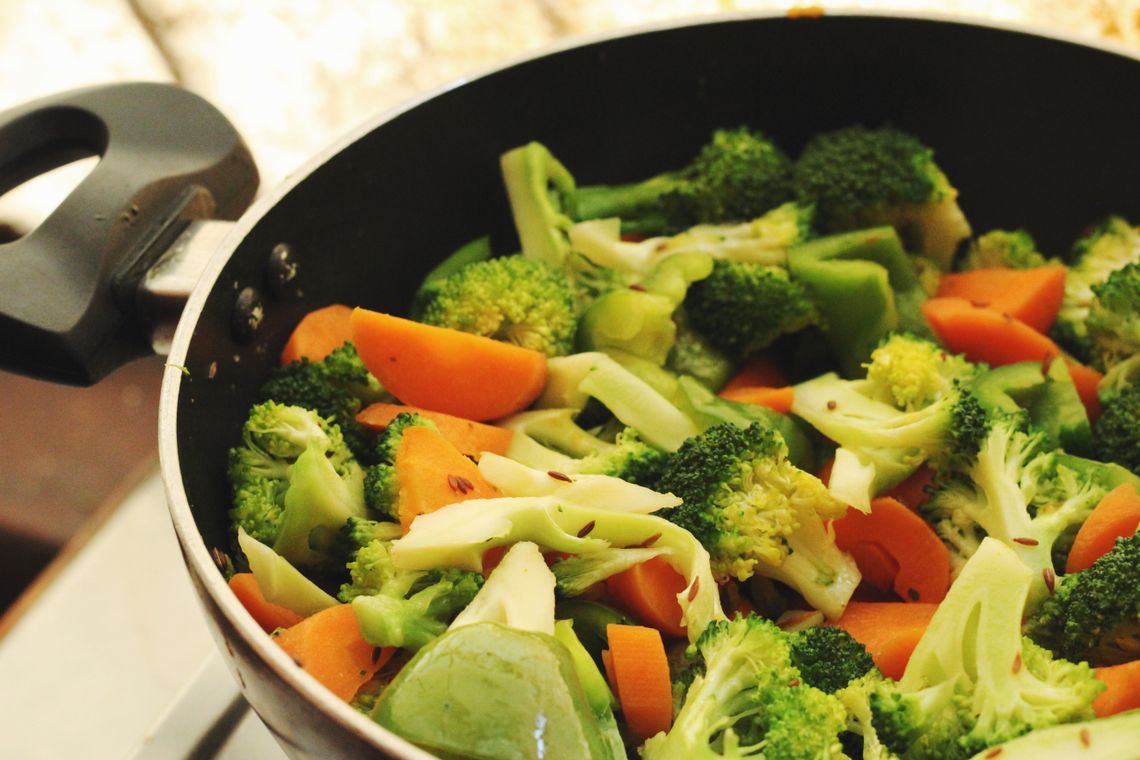
The easiest way to improve the cooking experience is to remove a little friction before you begin. Read the recipe, make space, gather your tools, and understand which steps need your attention.
These four habits work across almost every type of meal, from a simple skillet dinner to a weekend baking project.
Check the full sequence, serving size, ingredients, and equipment first.
Set out the board, knife, pan, utensil, bowl, or measuring set you'll use.
Clear a work area and keep surfaces and tools appropriately clean.
Watch texture, aroma, and color instead of relying on the clock alone.
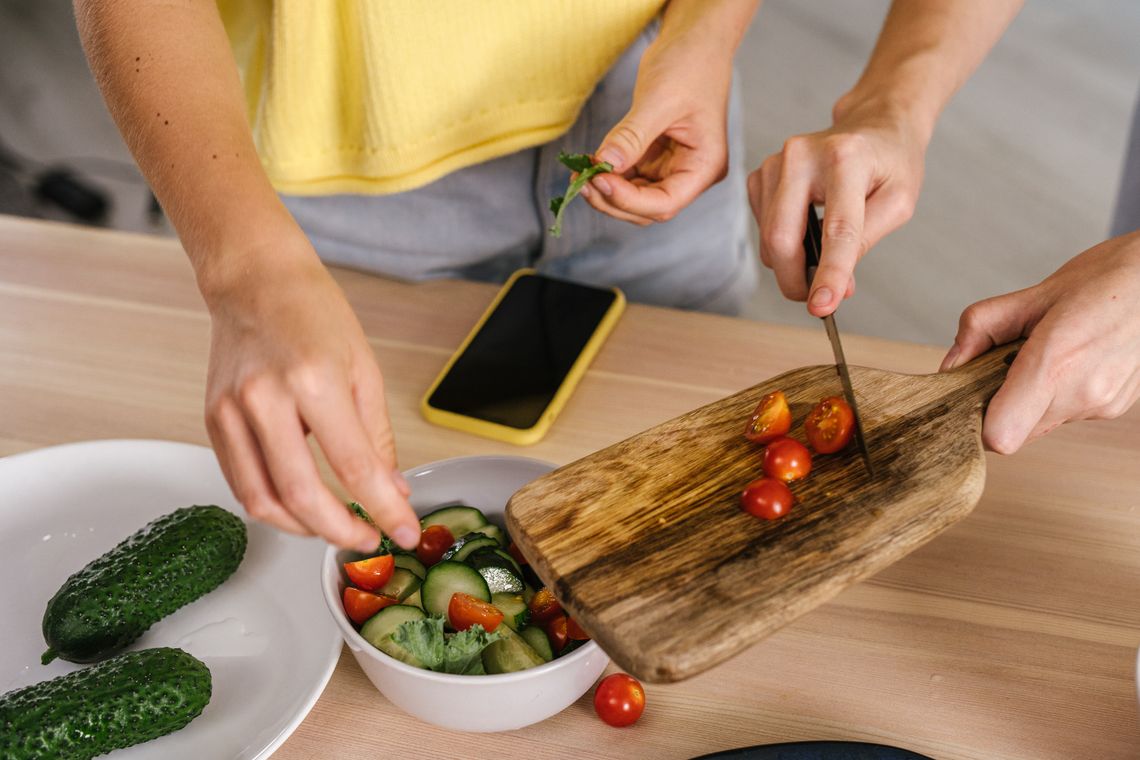
A steady board and consistent cuts make ingredients easier to manage. You don't need elaborate knife work: focus on control, comfort, and pieces that cook at a similar rate.
Place it on a stable, level surface; use a damp cloth or suitable non-slip mat beneath it if needed.
Wash produce, clear away clutter, and keep finished pieces in a bowl or separate area.
Keep fingertips tucked safely away from the blade and work at a comfortable pace.
Similar-sized pieces generally cook more evenly when sautéed or roasted together.
Kitchen note: Clean boards, knives, and preparation surfaces between raw meat or seafood and ready-to-eat ingredients to prevent cross-contamination.
Sautéing is a balance of heat, spacing, and timing. A suitable pan gives ingredients room to cook, while small adjustments keep browning under control.
Match its size and material to the recipe and confirm compatibility with your stove.
Start at the heat appropriate for your cookware; avoid overheating nonstick coatings or leaving an empty pan unattended.
Cook in batches when necessary. Overcrowding encourages steaming rather than browning.
Turn down the heat if oil smokes or food browns too quickly; use utensils suited to the pan's surface.
Kitchen note: Use an appropriate food thermometer for proteins and follow current safe internal-temperature guidance rather than judging doneness by color alone.

Learn the method. Then make it yours.
A guide should give you confidence, not a rigid set of rules for every meal. Familiar techniques make it easier to improvise with seasonal produce, use the cookware you already own, and discover what tastes right at your table. Start simply and build from there.

Baking rewards a little preparation. Exact measurements, appropriate bakeware, and careful attention to the oven help recipes turn out more consistently.
Confirm pan size, oven-safe materials, rack placement, and recipe temperature.
Follow the recipe's method for dry and liquid ingredients; level measurements when instructed.
Combine ingredients in the order specified and avoid unnecessary overmixing when a tender result is desired.
Begin checking near the recipe's suggested time, adjusting for pan size and how your oven behaves.
Kitchen note: Always use oven-safe tools and heat protection. Allow baking dishes and hot food to cool appropriately before handling or storing.
A flexible way to plan a meal without following one fixed recipe. Adjust ingredients, portions, and cooking methods to suit your preferences.
Start with rice, grains, noodles, potatoes, or another foundation suited to the meal.
Choose one or two vegetables; chop consistently and cook according to their texture and density.
Use beans, tofu, fish, meat, or another protein; apply the relevant safe-cooking guidance.
Adjust acidity, herbs, spice, or seasoning, then serve in a bowl or on a plate.
These are flexible cooking ideas rather than tested recipes or guaranteed cooking times. Follow food storage instructions, prevent cross-contamination, and cook perishable ingredients to safe temperatures.
A good meal deserves a thoughtful ending. You don't need elaborate plating—just a little attention to texture, temperature, and the space around the food.
Make small final adjustments to seasoning when appropriate.
A roomy plate, bowl, or serving piece makes the food easy to present and share.
Pair a hearty main element with something fresh, crisp, or bright.
Refrigerate perishable food promptly and use suitable sealed containers.

Every kitchen is different. Start with equipment suited to the meals you make often, and compare the size, materials, care needs, and compatibility of each item.
For steady preparation and cutting ingredients into manageable, consistent pieces.
For sautéing, quick stovetop cooking, browning, and everyday breakfast dishes.
For simmering, boiling, soups, sauces, and long, gentle cooking when suitable.
For roasting, baking, and recipes that depend on the right pan size.
For portioning, stirring, folding, turning, and making methods easier to repeat.
For bringing food to the table and keeping prepared ingredients or leftovers organized.
Short answers to common questions about selecting utensils, managing heat, measuring ingredients, and keeping everyday equipment in good condition.
All products ship free, with no minimum order required.
Our standard order delivery timeframe.
Free returns and exchanges within 30 days.
Help for products and orders around the clock.
After successfully subscribing by email, customers receive an automatic 15% sitewide discount, not limited to a first order. Selected promotional products receive an automatic 20% discount. Neither offer requires a code; combining both discounts is not guaranteed.
Confidence grows from repetition. Return to one technique, make a small adjustment, and find the rhythm that works for your kitchen. Whether you're preparing a simple lunch or inviting people to the table, the details deserve your attention.
For help with a Dishora product or order, our team is available 24 hours a day, seven days a week.